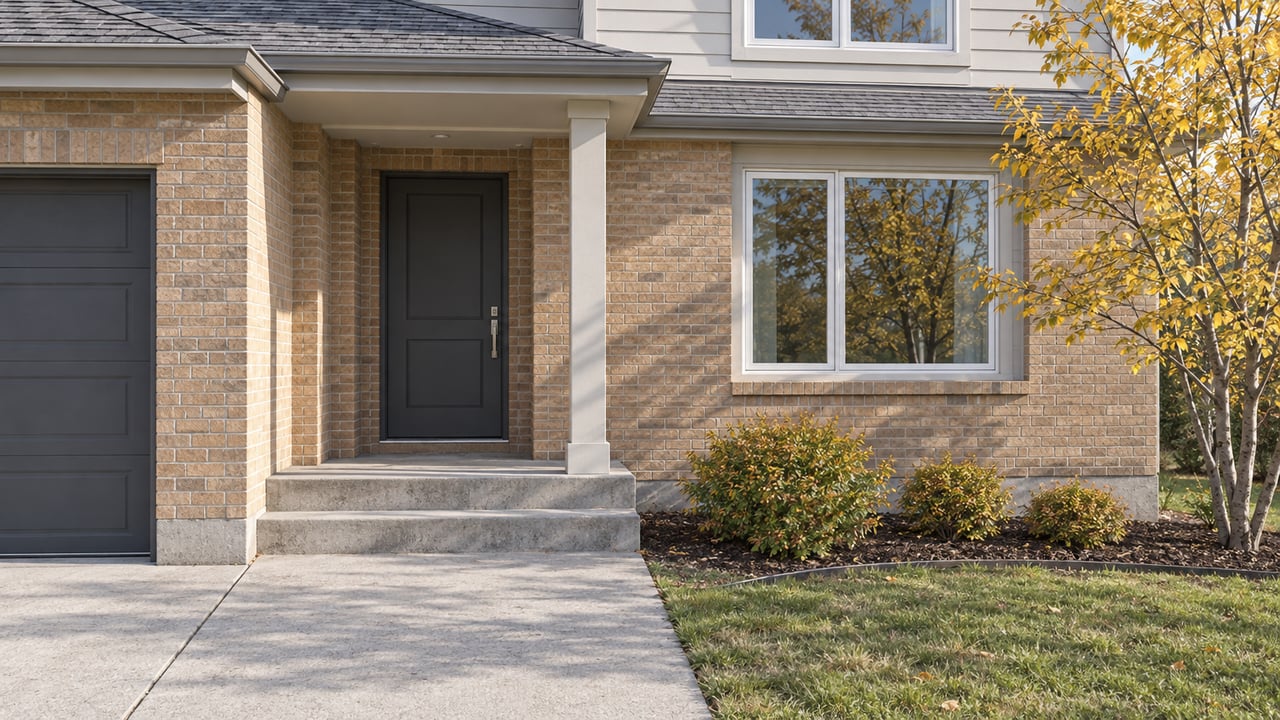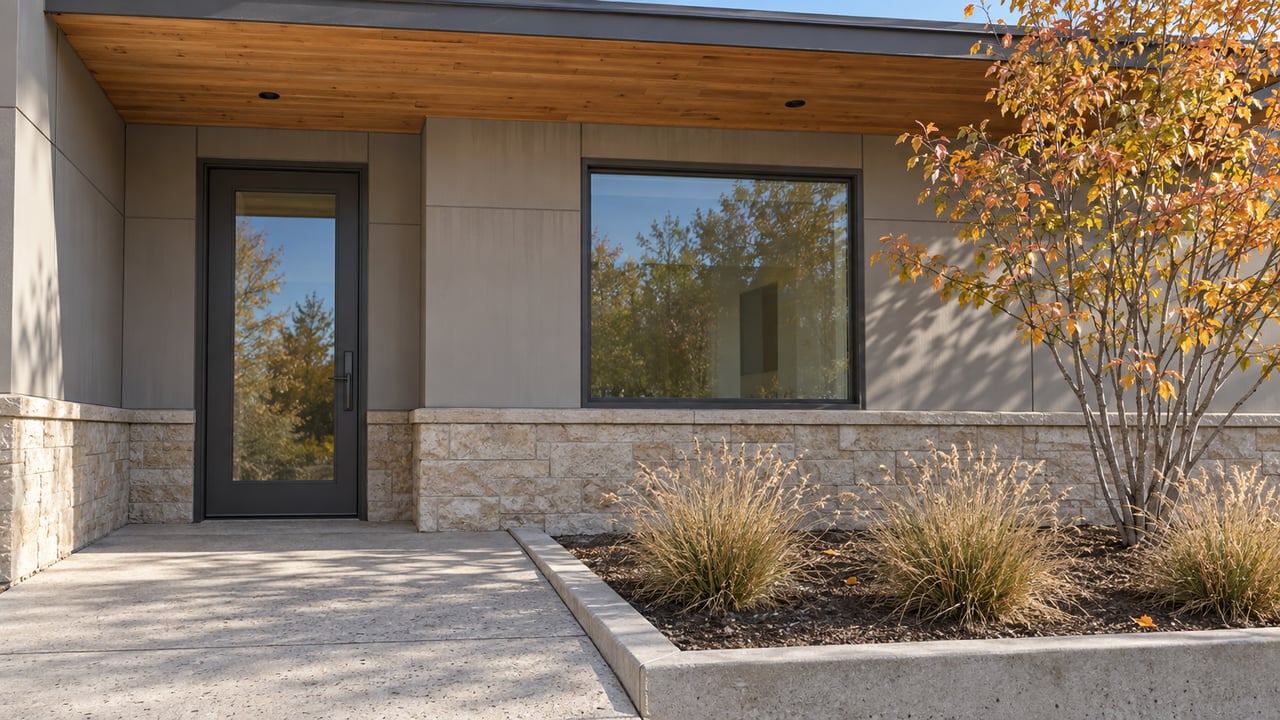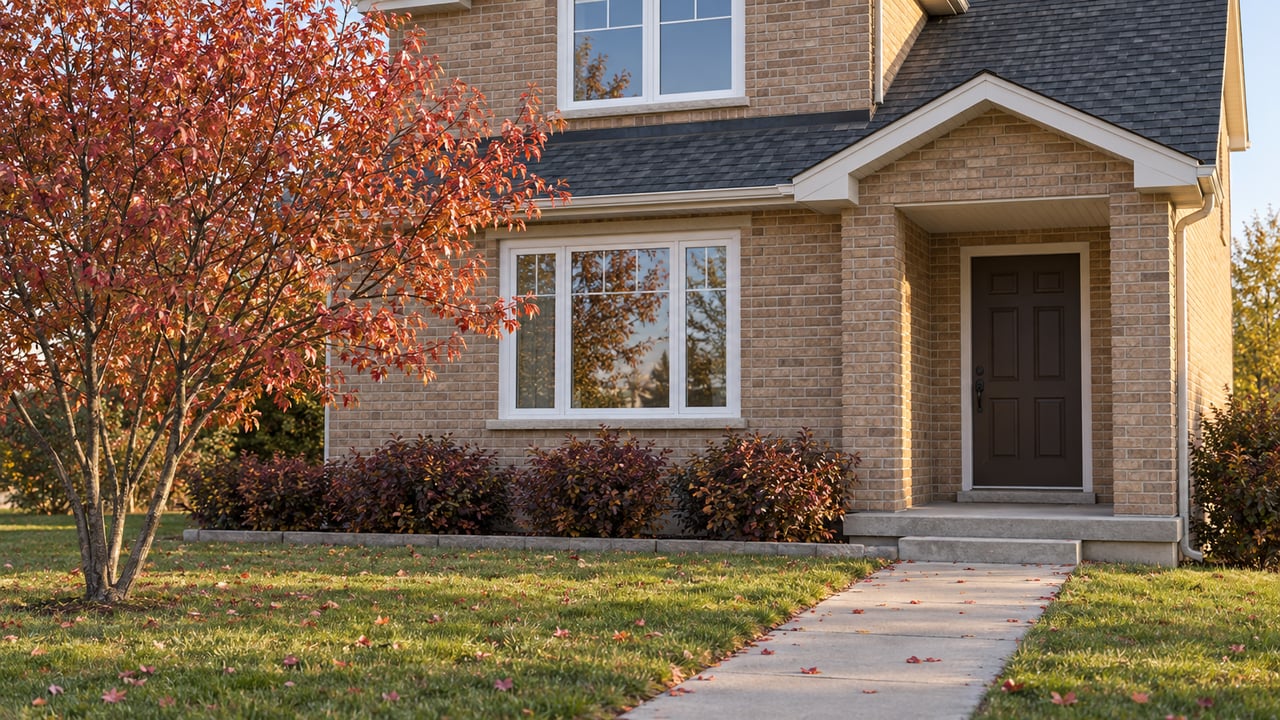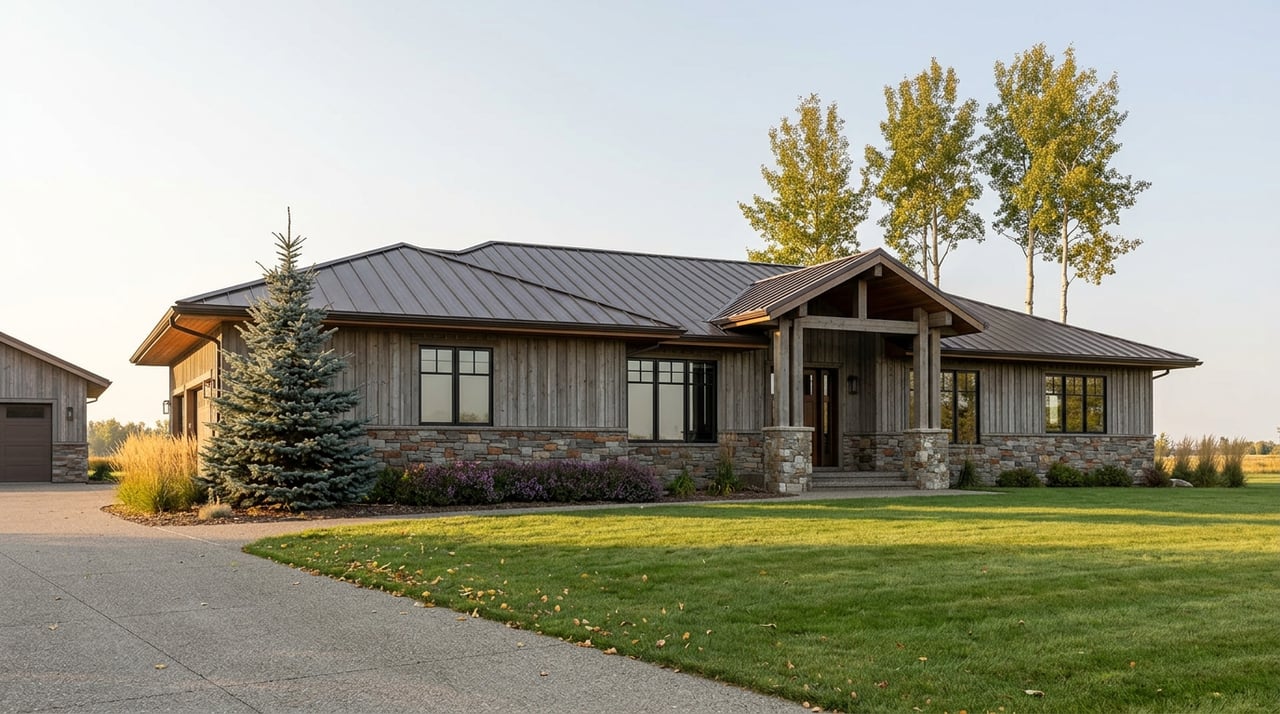
Wondering where to start before you put your Dunmore acreage on the market? Selling rural property is different from selling an in-town home because buyers look at the house, the land, the access, and the outbuildings as one complete package. If you want fewer surprises and a smoother sale, the right prep can make a real difference. Let’s dive in.
Why acreage prep matters in Dunmore
In Dunmore, your property sits within Cypress County’s rural land-use system, where country residential acreages are treated as a distinct use. That means buyers are not just evaluating square footage or finishes inside the home. They are also paying attention to the yard, approach, outbuildings, and how the whole site functions.
County conditions also shape what buyers notice first. Cypress County maintains more than 2,000 kilometers of roads, and most county roads are gravel. Because of that, the approach to your property, driveway condition, gate access, and first impression from the road often matter right away.
Cypress County also enforces unsightly property and weed-control rules. So if your acreage has clutter, overgrown edges, or visible noxious weeds, that can become more than a cosmetic issue. It can affect how prepared and well-kept the property feels to a buyer.
Focus on the whole property
When buyers tour an acreage, they usually do not separate the home from the land. They look at the full setup together, including the driveway, yard, shop, shed, and storage areas. If one area feels neglected, it can shape how they view the rest of the property.
That is why visible maintenance often gives you a better return than a major remodel. Alberta guidance for homebuyers commonly points people toward major systems and exterior condition, including plumbing, electrical, heating, cooling, roofing, and siding. For sellers, that means fixing obvious issues and presenting the property clearly is often more useful than taking on expensive upgrades that do not change the fundamentals.
Start with exterior cleanup
If you only do a few things before listing, start outside. The exterior is where acreage buyers begin forming their opinion, and in a rural setting that first impression starts before they even step out of the vehicle.
Control weeds early
Cypress County requires landowners to control noxious weeds on land they own or occupy. Several weeds found in the county are specifically listed as noxious or prohibited noxious. Mowing, trimming, and weed control should be done early so the property looks maintained by the time photos and showings begin.
Remove visible clutter
Clear out scrap, broken equipment, extra building materials, and anything else that makes the site feel disorganized. This matters both from a presentation standpoint and because the county has unsightly-property standards. Buyers want to understand what belongs to the property and what is just leftover clutter.
Tidy edges and storage zones
Pay special attention to the areas buyers see first and the areas that often collect overflow. That includes fence lines, gate areas, shop entrances, equipment parking areas, and the sides of buildings. A clean edge makes the whole acreage feel more manageable.
Make access easy to understand
On an acreage, access is part of the showing. Buyers want to know how they enter the property, how usable the driveway is, and how the site flows from one building to another.
If you have a gravel driveway, culvert, gate, or turnout, fix the obvious trouble spots. You may not need a full rebuild, but ruts, rough transitions, or hard-to-open gates can create friction during a showing. In a county where gravel-road travel is common, practical access issues stand out.
Organize outbuildings and yard features
Shops, sheds, and storage buildings can add a lot of value to an acreage. But they need to feel functional, not confusing. Buyers should be able to tell what each space is used for and how it supports the property.
Walk through each outbuilding and sort items into simple categories:
- What stays with the property
- What will be removed before possession
- What is storage
- What is active equipment or working space
This kind of organization helps buyers picture how they would use the property. It also helps avoid questions later about what is included in the sale.
Handle obvious repairs before listing
You do not need to renovate everything to get ready to sell. In most cases, it makes more sense to take care of the visible and practical items that buyers are likely to notice during a showing or inspection.
Focus on things like:
- Loose siding or trim
- Missing shingles or visible roof wear
- Broken gates or fence sections
- Unsafe steps or handrails
- Plumbing leaks or staining
- Exposed electrical concerns
- Heating or cooling issues that are already known
These types of fixes help your acreage feel maintained and reduce the chance that a buyer sees the property as a project.
Gather your key acreage documents
One of the best ways to reduce stress before listing is to collect your paperwork early. Rural buyers often ask more questions because there is more to understand, especially when the property has multiple buildings, private services, or older improvements.
Title and legal land description
Have a current title and the full legal land description ready. In Alberta, land transfers rely on the legal land description rather than the civic address. That makes this one of the first records to confirm before you go to market.
Real Property Report
A current Real Property Report, and if applicable a municipal compliance stamp or certificate of compliance, can be very important. RECA explains that an RPR shows boundaries, improvements, easements, and visible encroachments. If changes were made after the RPR date, the report is no longer current.
A missing or outdated RPR can affect title registration and mortgage funding. It is smart to review this well before listing, especially if you added a deck, garage, shop, patio, or other improvement.
Well records and water testing
If your acreage is serviced by a well, gather any drilling reports, yield test information, and past records. Alberta’s Water Well Information Database may have information, although older wells may not appear there. If you cannot find the original report, start your search early.
If you want current water-test results for listing purposes, plan ahead. Alberta Health Services does not test water samples for real-estate purposes, so those samples need to go to a commercial lab.
If the property has ever flooded, have the well checked before listing. Alberta Health Services says a flooded private well should not be used for drinking, cooking, or bathing until it has been checked, purged, shock-chlorinated, and tested by a licensed water-well contractor.
Septic records
If the property has a private sewage system, gather septic permits, inspection reports, pumping records, and service history. Alberta regulates private sewage systems through its private sewage standard of practice, and certified contractors are required for permits and installations.
Cypress County permit paperwork also expects septic-related permit documents and inspection reports where relevant. Having these records ready can answer buyer questions before they become deal delays.
Development and building permits
Look for records tied to additions, decks, patios, garages, shops, storage containers, and changes in use. Cypress County generally requires development permits for these items, and some work may also need Safety Codes permits through an accredited agency.
If you are unsure what was permitted, it is better to sort that out before the property hits the market. Unclear permit history can create uncertainty that slows negotiations.
Site plan or plot plan
A simple site plan can be very helpful, especially if your acreage has several buildings or older improvements. Cypress County’s application materials ask for boundaries, existing structures, access points, road allowances, easements, well sites, abandoned wells, and septic locations.
You do not need to overcomplicate this. Even a straightforward plan that helps buyers understand the layout can make the property easier to evaluate.
Follow a practical listing timeline
Trying to do everything at once usually leads to rushed decisions. A simple timeline can help you spread out the work and avoid last-minute stress.
6 to 12 months before listing
Use this stage to gather records and identify missing documents. Focus on:
- Title and legal land description
- Real Property Report
- Permit records
- Well records
- Septic records
- Easement or site documents
If something is missing, start with Cypress County, your installer or contractor, and the Alberta well database. These requests can take time, so earlier is better.
3 to 6 months before listing
This is the right window for exterior improvements that buyers will notice immediately. Focus on:
- Mowing and weed control
- Debris and scrap removal
- Fence and gate touch-ups
- Organizing outbuildings
- Cleaning up storage areas
- Addressing visible repair items
This is often where lower-cost work has the biggest payoff. A cleaner, more usable-looking property tends to show better than one with expensive but less visible upgrades.
30 to 60 days before listing
As your listing date gets close, move into final presentation mode. This stage should include:
- Final cleanup
- Fresh exterior photos
- Updated site notes
- Water-test results if available
- Septic records package
- Confirmed RPR status
A simple document package for your agent and lawyer can help keep the transaction moving once buyer questions start coming in.
Common mistakes to avoid
Acreage sellers often lose time by waiting too long on the details that matter most. The biggest issues usually are not dramatic. They are the small things that signal disorganization or leave buyers guessing.
Try to avoid these common mistakes:
- Letting weeds and overgrowth get ahead of you
- Leaving scrap or unused equipment in plain view
- Listing before checking whether the RPR is current
- Assuming old well or septic records will be easy to find later
- Forgetting about permits for decks, shops, garages, or additions
- Leaving buyers unsure about access, boundaries, or building use
Why local guidance helps
Selling a Dunmore acreage takes a different approach than selling a standard in-town property. You are not just marketing a house. You are presenting a full rural setup with land, access, improvements, and documents that all need to make sense together.
That is where a steady, local strategy can help. When you know what buyers in the Dunmore and Cypress County area are likely to notice first, you can focus your time and budget where it counts.
If you are thinking about selling your acreage, the best first step is a practical plan. Bob Ruzicka can help you sort through the property, the paperwork, and the prep work so you can move forward with more clarity and less stress.
FAQs
What should I clean up first before selling a Dunmore acreage?
- Start with mowing, weed control, debris removal, and visible yard clutter. Then focus on the driveway, gate, outbuildings, and the areas buyers will see first.
Does a Dunmore acreage need a current Real Property Report before listing?
- If changes were made after the original RPR date, the old report is no longer current. An updated RPR can be important for compliance, title registration, and mortgage funding.
What documents should I gather before selling an acreage in Cypress County?
- Try to collect the title, legal land description, current RPR, permit records, well records, water-test results, septic records, and a simple site plan if the property has multiple buildings.
Can Alberta Health Services test well water for a real-estate listing in Alberta?
- No. Alberta Health Services says water samples for real-estate purposes need to be sent to a commercial lab.
Do shops, decks, and garages on a Cypress County acreage need permits?
- Cypress County generally requires development permits for items like additions, decks, patios, garages, shops, storage containers, and changes in use. Some work may also require Safety Codes permits through an accredited agency.
What if I cannot find the well report for my Dunmore acreage?
- Older wells may not appear in the provincial database, so it is smart to start looking early through your records, your installer or contractor, and available Alberta well-record resources.