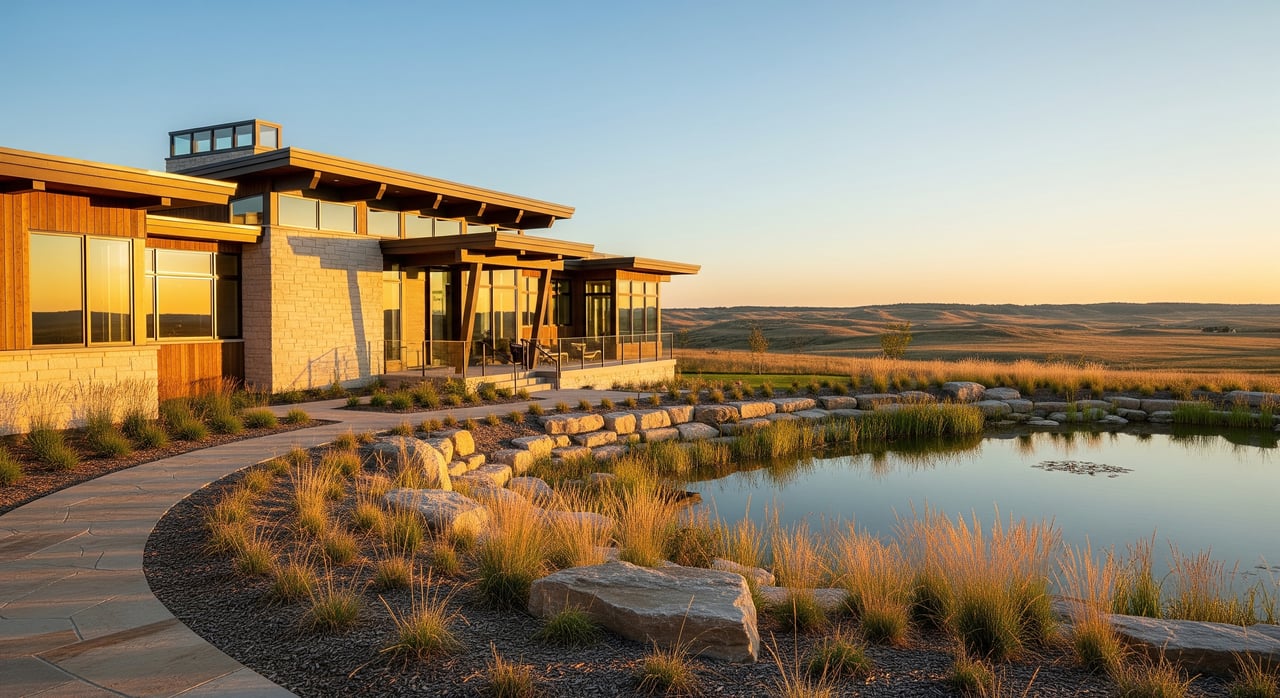
Picture your morning starting with prairie light on the fairways, the sound of birds, and a short stroll along a quiet path. If you are weighing a move that blends recreation with a calmer pace, Desert Blume can feel like the best of both worlds. You get a golf-course community in a semi-rural setting, while Medicine Hat’s services stay within easy reach. In this guide, you will see what daily life looks like, the home types you will find, the practical costs and rules to expect, and the due diligence steps that help you buy with confidence. Let’s dive in.
The everyday rhythm in Desert Blume
Your weekdays often start with walkers, joggers, and cyclists on paved and natural paths as golfers head to early tee times. Midday is typically quiet since many residents commute into Medicine Hat for work, school, and errands. Late afternoons and early evenings bring more activity again as people return, kids play outside, and the course and trails get a second wave of use.
Weekends pick up around the golf club with lessons, leagues, or tournaments drawing more visitors. Expect more foot traffic on paths and a steadier trickle of vehicles on access roads. The overall feel stays relaxed and scenic, with green space, ponds, and prairie views setting the tone.
Homes and layouts you will see
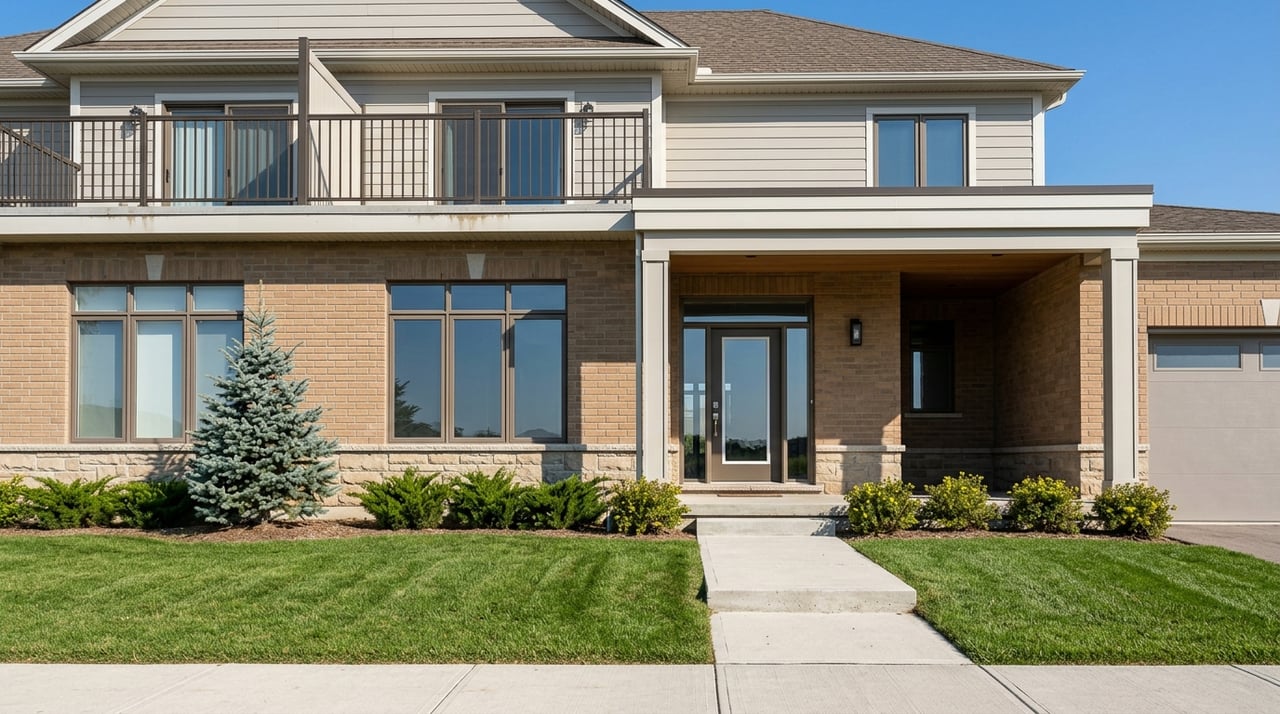
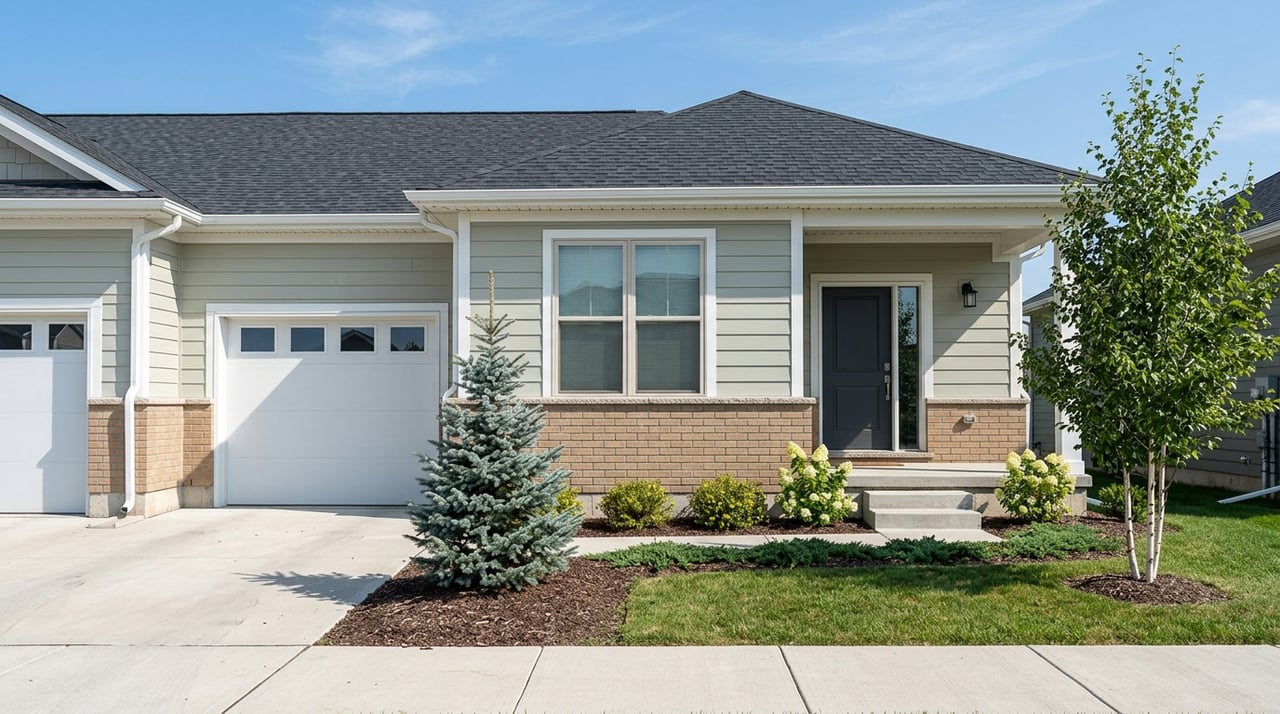
Most properties are single-family houses in bungalow or two-storey designs. You will also see estate homes, often with walk-out basements, larger garages, and siting that captures fairway or pond views. Patios and decks often face green space, which makes outdoor living a central part of the day.
Ownership is private, but many parcels fall under a community or management association with architectural guidelines and rules that maintain a cohesive look. Ask whether any homes carry mandatory golf-club dues, or if memberships are optional. It is common to have design controls for exteriors, fencing, landscaping, and signage, and to have some shared maintenance covered by fees.
Getting around and commute reality
Most residents rely on personal vehicles to reach Medicine Hat for work, groceries, medical appointments, schools, and restaurants. Practical planning starts with testing typical drive times during your normal schedule, and noting winter conditions and snow events. Public transit options are more limited than an urban core. Families can ask about school bus arrangements, and commuters can review routes and schedules before deciding.
If your routine includes daily gym visits, specialty clinics, or evening programs, plan your week around a short drive into Medicine Hat. The trade-off for the quiet and space in Desert Blume is more time in the car, so building trip bundling into your routine can help.
Recreation and amenities on-site and nearby
Desert Blume’s golf course and clubhouse form the heart of the community. You can expect access to a pro shop, lessons, leagues, tournaments, and social gatherings set around the sport. Trails weave through the neighborhood, and small ponds, water features, and landscaped common areas offer easy spots for a walk or quick fresh-air break.
Beyond golf, the Medicine Hat area adds variety. You are close to river access, coulees, and regional parks and trails for hiking or cycling. Within Medicine Hat, you will find gyms, community centers, and arts or cultural programming. This mix lets you keep an active lifestyle year-round, even if you are not a golfer.
Costs, rules, and associations to expect
Planned communities often have rules that keep the neighborhood looking consistent and well maintained. In Desert Blume, ask about:
- Whether there is a community or condo association and what fees cover, such as landscaping of common areas, walkway upkeep, pond maintenance, exterior lighting, or seasonal services like snow clearing.
- Architectural controls, including exterior color, roofing, fencing, and landscaping standards.
- Any rental restrictions, pet rules, or limits on short-term stays.
- Whether golf membership is mandatory for any lots or entirely optional.
- How rules are enforced and whether there are fines for violations.
These details affect your monthly costs, your ability to make exterior changes, and the day-to-day experience of living in the community.
Utilities, taxes, and services
Service arrangements can vary by lot, so request clear written details. Confirm whether water, sewer, and garbage are provided by Cypress County, a private provider, or through a service agreement with Medicine Hat. Snow removal can be split between county-maintained roads and association responsibilities for private lanes or walkways.
Property taxes are paid to Cypress County, with rates set annually. For renovations or new builds, you will need county permits and to follow any community design guidelines. Ask Cypress County about any planned development phases that could change traffic patterns, views, or nearby amenities. You can also contact emergency services to confirm response times for your specific address.
Seasons and maintenance planning
This region experiences hot summers and cold winters, so plan for seasonal care. In summer, you may need to manage irrigation systems and be aware of golf-course maintenance schedules that include watering and herbicide or pesticide applications. If sensitivities are a concern, ask the club for their policies and schedules.
Winter brings snow and freeze-thaw cycles that affect roofs, siding, and driveways. If you choose a larger lot, factor in snow removal time or contractor costs. Drainage is another practical point. Confirm lot grading and any history of pond overflow in heavy rain to understand how water moves on and around the property.
Here is a quick seasonal checklist:
- Summer: service irrigation, inspect grading and downspouts, review course maintenance schedules, and refresh exterior finishes as needed.
- Fall: winterize irrigation lines, clear eavestroughs, and check caulking and weatherstripping.
- Winter: monitor snow load on roofs and decks and confirm snow removal responsibilities.
- Spring: inspect for freeze-thaw cracks, test sump pumps if present, and check landscaping for drainage issues.
Who Desert Blume fits best
Desert Blume tends to appeal to people who value quiet, green space, and a strong connection to outdoor recreation. Couples and families who want larger lots and a suburban or semi-rural feel also find the setting attractive.
If you enjoy walking, biking, golfing, or gardening, the community can fit your routine. If you prefer to be steps from big-box shopping or transit, the extra driving may feel like a trade-off. Think about how you shop, commute, and spend weekends. That will tell you quickly whether this lifestyle is the right match.
Smart due diligence checklist
Use this list to get a clear picture before you buy:
- Confirm utility hookups and providers for water, sewer, electricity, natural gas, and internet.
- Request community or condo documents: bylaws, covenants, rules, budgets, maintenance plans, and reserve fund details.
- Ask for written confirmation about golf-club membership obligations for the specific lot.
- Review any association fees, what they cover, how often they are billed, and whether fees have changed recently.
- Inspect key systems: irrigation, grading and drainage, roof and siding for winter wear, and signs of freeze-thaw damage.
- If a septic system is present, include a septic inspection and service history.
- Ask for association meeting minutes to spot upcoming projects, infrastructure concerns, or special assessments.
- Review property tax history and current assessment with Cypress County.
- Check rental and pet policies if you plan to rent out the home or have pets.
- For families, confirm school catchments directly with the local divisions and confirm school bus availability.
- Test-drive commute routes during your normal times and visit the neighborhood morning, afternoon, and evening, plus in different seasons.
- Ask the golf club for course maintenance and pesticide use policies and schedules if that is important to you.
What to do next
If you are curious whether Desert Blume fits your lifestyle and budget, start with a quick conversation about what you need day to day. From there, you can tour homes that match your routine, compare villa and single-family options, and line up current fee and utility details. You will move forward with facts, not guesswork.
If you want local guidance and early access to listings, reach out to Bob Ruzicka. Let’s connect so you can see what is available, understand the costs clearly, and decide with confidence.
FAQs
What is daily life like in Desert Blume?
- It feels quiet and scenic during weekdays, with morning and evening activity on paths and the golf course, and weekends getting busier around the clubhouse.
Is golf membership required for Desert Blume homes?
- Requirements vary by property, so ask for written confirmation on whether membership is mandatory or optional for the specific lot you are considering.
How convenient is Desert Blume to Medicine Hat services?
- Most residents drive for groceries, medical appointments, schools, and dining, so plan for car-based errands and confirm your typical travel times.
Are there HOA or community fees in Desert Blume?
- Many properties have association rules and fees that support common-area maintenance; request governing documents and a breakdown of what fees cover.
What types of homes are common in Desert Blume?
- You will find single-family bungalows and two-storey homes, and estate properties, many oriented to course and pond views.
How do winters affect living in Desert Blume?
- Expect regular snow and freeze-thaw cycles, which require snow removal and attention to roofs, siding, grading, and winterized irrigation systems.
Can I rent out my Desert Blume property?
- Some associations limit rentals, so review bylaws and rules to confirm whether rentals are allowed and what conditions apply.
Who provides utilities and garbage service in Desert Blume?
- Service can be provided by Cypress County, a private utility, or by agreement with Medicine Hat; confirm providers and billing for the specific property.